If you are weighing an upgrade from a mechanical deadbolt to a modern electronic lock, this guide will walk through what matters most. I have installed, troubleshooted, and maintained dozens of electronic locks in houses and small offices, and I write from that field experience. In this piece I explain what to expect from a professional install, how to choose hardware, and what maintenance and security practices keep an electronic lock performing properly, and you can compare local providers by checking professional locksmith services as a starting point for estimates and service options. I include real-world troubleshooting steps, quick checks to validate an installation, and what good installers include in their job notes.
What an electronic lock really replaces and what it does not.
Electronic lock installation is frequently sold as a simple replacement for a deadbolt, but the work touches electrical, mechanical, and network systems. Always look for a mobile locksmith service or company that explicitly lists smart lock installation and programming on their service sheet. Installers who label wires, leave a diagram, and hand over admin codes save you time and headaches later.
How to pick hardware that matches your door, usage pattern, and budget.
Not every electronic lock suits every door or every user, and matching technology to use case avoids regrets. Consider established brands that publish BCN firmware updates and have a track record for support. A throwaway consumer deadbolt usually fails sooner when used by many people daily.
What an installer should inspect before fitting an electronic lock.
Before any screwdriver turns, a good installer measures backset, door thickness, and the condition of the jamb and strike plate. An installer should tell you upfront about any frame reinforcement, latch replacement, or extra carpentry. Measure clearance for the thumbturn and any external keypad so the lock does not strike overlapping hardware, and verify that weather sealing will remain intact after the cutouts.
Why power plan matters more than the lock’s brand name.
Battery-operated locks are simple to install but require scheduled battery replacement, while wired locks reduce battery worry at the cost of having to run low-voltage wiring. A practical rule is replacing alkaline cells annually in moderate climates and sooner in cold environments. Never connect a lock directly to household mains; always follow manufacturer wiring diagrams and installer best practices for transformers and rectifiers.
If your installer does not offer routine check-ins, ask for a demonstration of the programming interface and a written maintenance checklist so you can perform basic health checks yourself.
Networking and integration: choosing between Bluetooth, Z-wave, Wi-Fi, and proprietary hubs.
Bluetooth locks are reliable at short range but hinge on phone proximity, Z-wave or Zigbee integrate into smart home hubs, and Wi-Fi units offer remote access without a hub but raise privacy considerations. If you need remote unlock and activity logs without intermediary cloud dependence, consider a local hub that supports Z-wave and bridges to your network for remote access through secure tunnels. An installer experienced with commercial electronic lock setup can outline these trade-offs during the quote.
What to expect from a professional installer and the right questions to ask.
Ask for references or photos of recent installs that match your door type and lock model. Good documentation saves a return visit and keeps your facility operational if the original installer is unavailable later. A clear post-install support policy prevents surprises.
Common installation mistakes and how to spot them early.
If a newly installed lock rubs during the door swing, the installer cut corners on alignment or skipped a necessary strike plate upgrade. A neat installation labels wires and secures modules inside the frame or a protector box, which a professional should do without being asked. Motor noises that change after a week of use indicate binding or misalignment and are not normal wear.
Physical upgrades that complement electronic features.
An electronic lock is only as strong as the cylinder and the door frame which support it, and a secure installation includes high-quality cylinders and reinforced strikes. For offices that need key control, match the electronic lock with a restricted-key cylinder or a master key system installed by a professional locksmith to avoid unauthorized duplication. Require change logs and periodic audits if a lock supports event logging, and back up any locally stored logs to a secure medium during scheduled maintenance.
Scheduling, same-day service, and emergency call considerations.
Expect higher residential locksmith near me labor on older properties where door chases, plaster, or unforeseen carpentry is necessary. Cheap online lock hardware can look like a bargain until you factor in callbacks and extra parts; buy the right hardware for the door the first time. Emergency locksmith services carry higher hourly rates after hours, and mobile locksmiths will usually add a dispatch fee for peak times, so plan installations during business hours if possible to reduce cost.
Maintenance checklist and when to call for service.
Inspect batteries and replace annually or at the manufacturer recommended thresholds, clean mechanical surfaces quarterly, and verify firmware status twice a year. If you notice the lock dropping connectivity, test the network environment and the device signal strength before scheduling a costly replacement; sometimes moving a Wi-Fi access point or repositioning a hub solves the issue. Document the problem with photos and a short video of the symptom to speed diagnosis during a service visit.
Real-world examples and quick decision rules from the field.
In another job a tenant insisted on Wi-Fi remote access, but the building’s dense concrete blocked signals and we recommended a Z-wave mesh instead which solved reliability without exposing cloud accounts. An installer with experience will validate these choices against your actual door conditions. A clear written scope prevents misunderstandings on day one.
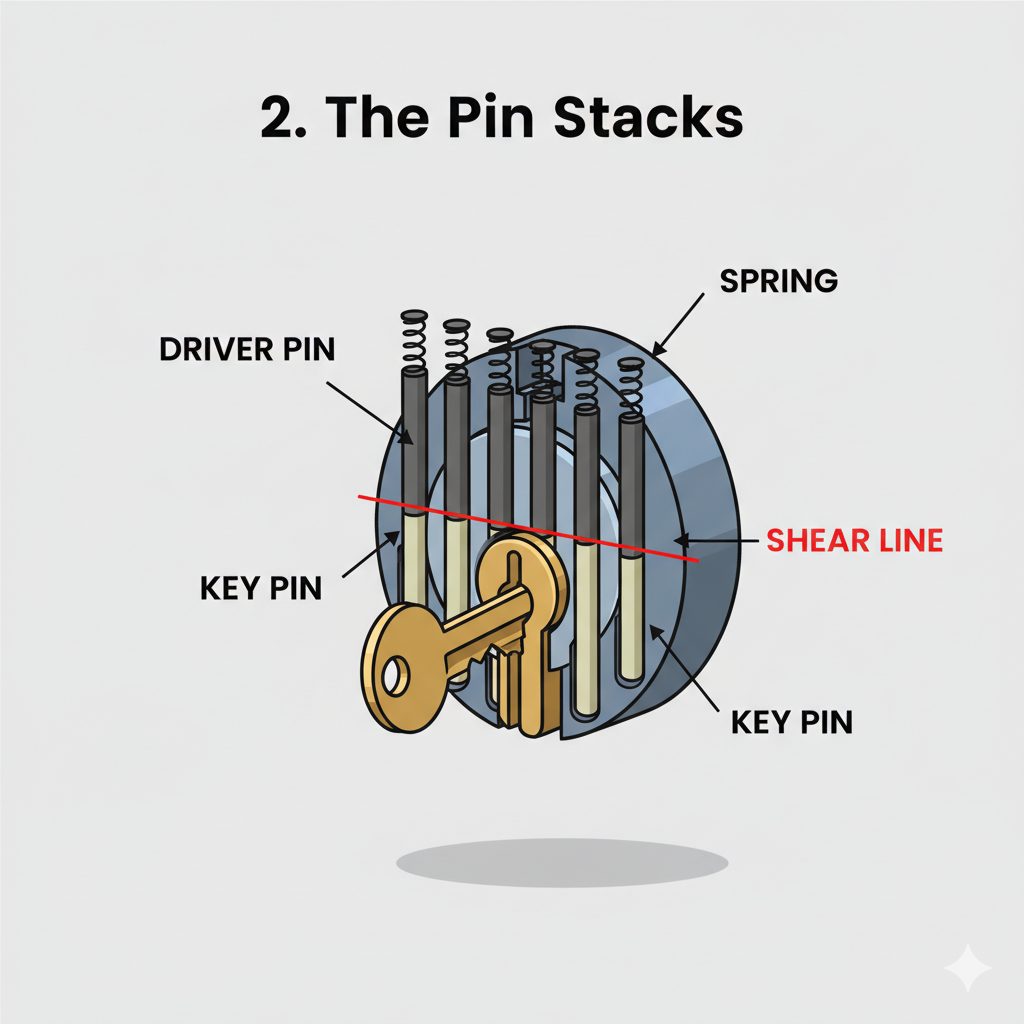
A careful hire and a short maintenance habit will keep your electronic locks working for years with minimal fuss.
Locksmith in Orlando, Florida: If you’re looking for a reliable locksmith in Orlando, FL, our company is here to help with certified and trustworthy locksmith services designed to fit your needs.
Locksmith Orlando | Locksmith Unit
- Address: 3725 Conroy Rd, Orlando, FL 32839, United States
- Phone: +1 407-267-5817
- Hours: Open 24 hours
- Website: locksmithunit.com
- Contact Us: Contact Locksmith Unit Orlando, FL
- About Us: About Locksmith Unit Orlando, FL
Connect with us
- Google Business Profile: Locksmith Orlando | Locksmith Unit on Google Maps
- Facebook: Locksmith Orlando | Locksmith Unit on Facebook
- Instagram: Locksmith Orlando | Locksmith Unit on Instagram
- YouTube: Locksmith Orlando | Locksmith Unit on YouTube
- TikTok: Locksmith Orlando | Locksmith Unit on TikTok
- X (Twitter): Locksmith Orlando | Locksmith Unit on X (Twitter)
- LinkedIn: Locksmith Orlando | Locksmith Unit on LinkedIn
- Pinterest: Locksmith Orlando | Locksmith Unit on Pinterest
- Threads: Locksmith Orlando | Locksmith Unit on Threads
- Blogger: Locksmith Orlando | Locksmith Unit on Blogger
- Tumblr: Locksmith Orlando | Locksmith Unit on Tumblr
- Bluesky: Locksmith Orlando | Locksmith Unit on Bluesky
- Band: Locksmith Orlando | Locksmith Unit on Band
- VK: Locksmith Orlando | Locksmith Unit on VK
- Yelp: Locksmith Orlando | Locksmith Unit on Yelp
Worldwide Brand Profiles
- Medium: Locksmith Unit on Medium
- Instapaper: Locksmith Unit on Instapaper
- Diigo: Locksmith Unit on Diigo